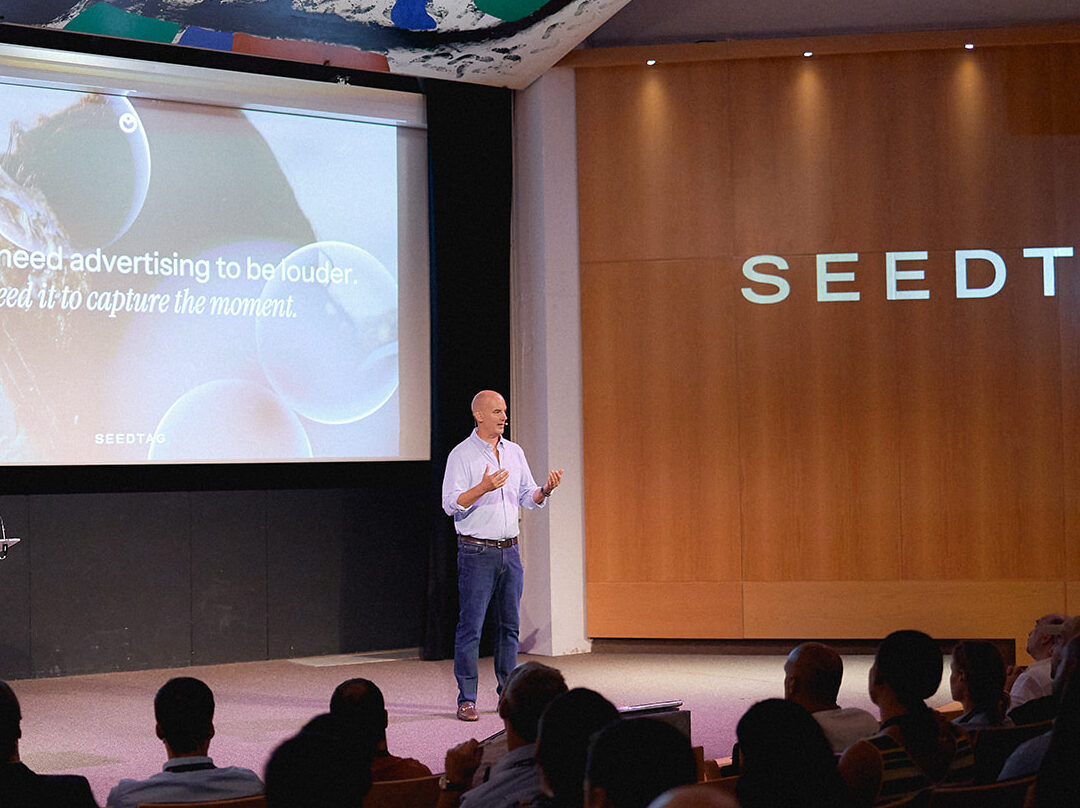
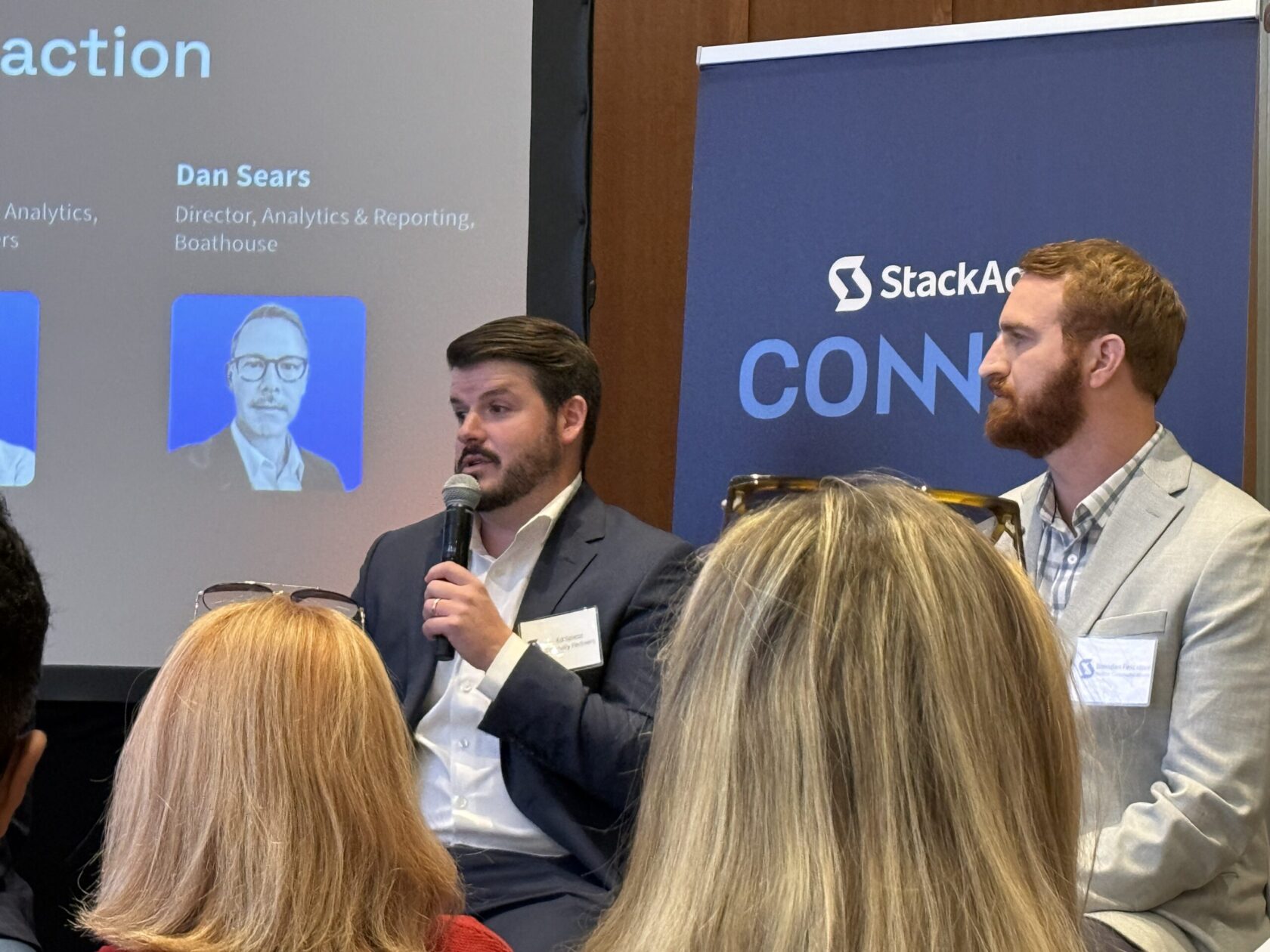
Earlier this month, I joined StackAdapt in Boston for a fireside chat on measurement alongside an incredible group of media analytics peers.
Most of the questions came back to the same issue: marketers still undervalue upper-funnel tactics and give too much credit to whatever happened last.
Here are a few takeaways.
Agree on Success Before You Launch
If you don’t align on success before launch, there will be constant confusion.
Each campaign starts with a measurement plan that everyone signs off on, covering the KPI, conversion definitions, tracking, CRM connections, and when we read results. When the ideal setup isn’t possible, we document the gaps, pick the best proxy, and set expectations. The worst outcome is a client discovering a blind spot three months in.
Not Every Channel Has the Same Job
Marketers judge performance by last click more often than they admit. At Connelly Partners, we help clients judge each channel by the role it plays instead.
Awareness channels like CTV, video, audio, and display introduce your brand to new audiences, so we measure their impact through reach, engagement, and brand interest. Consideration channels like paid social, native, and retargeting re-engage those who have already shown interest. Conversion channels such as paid search target people who are ready to act.
In higher education, we watch this play out over time. When awareness channels are doing their job, consideration channels perform better after a lag, driving deeper site engagement. Conversion channels follow with higher efficiency and conversion rates, because upper-funnel campaigns warmed the audience up first.
You usually see that last-click hands almost all the credit to conversion channels like search at the end. If we judged CTV or video on last-click, we would cut the channels that make search work.
Test What Actually Caused the Result
Attribution shows which channels were on the path to a conversion. A holdout test shows what would have happened without them.
We compare markets where media runs against similar markets where it doesn’t, then look at inquiries, applications and branded search.
Results usually land in three buckets:
- More impact than attribution credited. Typical of CTV, video, and display. When they go dark, search and inquiries drop too, so that budget is worth protecting.
- Less impact than attribution claimed. Typical of branded search and retargeting, which often reach people who would have converted anyway. That spend can shift toward building new demand.
- Lift in some markets but not others. That points to targeting, so move spend where it works.
AI Makes Testing Even More Important
As AI becomes more involved in media planning, optimization, and consumer decision-making, we’re seeing a few big shifts in the space:
- Optimization becomes a black box. More buying runs through AI-driven campaigns that decide where the money goes and then grade their own work. You can’t audit every decision, so you measure from the outside with holdout tests.
- The journey gets harder to see. People research with AI assistants and search summaries that never produce a click. Last click gets even less reliable, and media mix modeling and geo testing become the best way to see upper-funnel impact.
Where to Start
If you want to improve your measurement immediately, skip the next shiny AI tool and get the basics right first. Otherwise, you’ll be back where you started next year.
Agree on what success looks like and be explicit about what you’re counting.
The word “conversion” can mean a Request for Information (RFI) from completion to the media team, but the client might assume it’s an actual application. Something as simple as dropping the word “conversion” and literally naming the action, “RFI Form Submission Start,” can go a long way by setting expectations.
Then make sure your tracking matches that definition. Confirm each action fires on the agreed trigger, keep UTMs consistent, and check that CRM leads trace back to their source.
It may not be exciting work, but it’s what lets you trust your data and judge channels by the job they do.