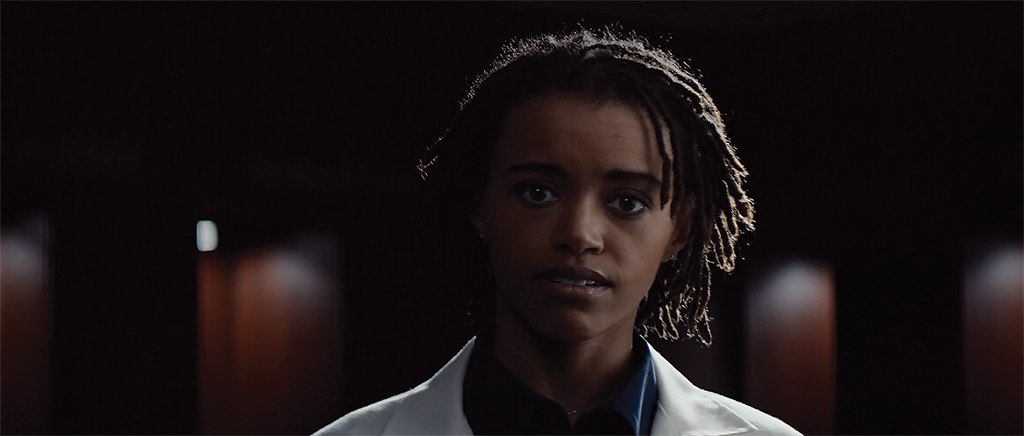
MediaPost: Boston Medical “Rewrites Healthcare” in New Campaign
We’re proud to be the media agency partner for Boston Medical Center and their new brand campaign that will be running through February 2024. This four-phase campaign is the first that the hospital has run in over 7 years and will begin by reintroducing BMC to its audience. The following phases will rewrite lines about healthcare, transform them into new truths, highlight the areas that BMC specializes in, and finally, bring out the voices of patients.
Keep an eye out for the campaign and read more here.
CPers Worldwide Unite for Darkness Into Light Challenge
As a way to honour Mental Health Awareness Month, CPers from across the globe woke up before dawn on Saturday 6 May to take part in something really special.
Some joined local groups in pre-organised routes, others braved the dark and cold on their own, each with the same goal – to walk towards the dawn to help break the stigma around suicide and mental health.
The “Darkness Into Light” challenge has been going since 2009 and now convenes over 150,000 people in countless countries, helping to raise over €36 million ($40 million USD) for Pieta, a foundation which supports and serves those impacted by self-harm and suicide.
The message is simple – that there will always be a dawn, despite times when all you can see is the dark.
And although we were separated by physical distance, our team felt so together that morning as we supported this remarkable cause. Whether it was Killiney, Hawaii, Vancouver, Sandymount or Boston, we we collectively experienced such a powerful moment. It was a dawn we won’t forget easily.
And we’re already looking forward to next year.
Uncovering Cracks in Connected TV
Kim Mazejka, Media Planner
Watch time for Over the Top (OTT) services has skyrocketed over the past few years as binge-streamers have declared they are here to stay.
Advertisers have been recommending investment shifts to Connected TV (CTV) for years now, and the increase in CTV ad spend over the past few years has reflected this widespread change. But what was previously a simple answer to the problem of reaching cord-cutters has become extremely fragmented over time, creating gaps in our ability to reach audiences at the scale we think we are.
While Linear can be broken down into Cable vs Broadcast, OTT can be broken down into CTV (Connected TV; anything that is streamed to a television device) and FEPs (Full Episode Players; anything streamed to a desktop, mobile, tablet, or other device). These filter down into different subscription types, (ad-free or ad-supported) as well as Free Ad Supported TV (FAST), in which a subscription is not needed to access ad-supported streaming.
The majority of larger players in the space fall under the SVOD category (Subscription Video on Demand), with most being hybrid ad-free and ad-supported these days, offering tiered paid subscriptions. AVOD (Advertising-Based Video on Demand) services, such as Fubo and Sling, only offer paid ad-supported options as these try to mirror a cable-esque experience. On the other hand, FAST are services that do not require a subscription and are more widely available.
Content differs from service to service, with more premium inventory available through higher-priced subscriptions, and audience demographics following suit; keeping in mind that more affluent audiences are more likely to pay for ad-free services.
When it comes to media buying, this gets even more complicated as we look at OEMs (Original Equipment Manufacturers) such as LG, Samsung, and most recently, Roku. These manufacturers use the data from their products and advertise to users of their TV products specifically. Partners such as Samba TV have ACR (Automatic Content Recognition) tech that we are also able to take advantage of without running directly on one type of television. Even further, we are able to run ads across DSPs (Demand-Side Platforms) utilizing ACR data, audience data from those with proprietary audience data, and run across multiple types of devices at the same time, all with real-time bidding.
So what does all of this mean for ads in the CTV landscape?
Despite the sharp increase in time spent watching CTV, and the ad spend that follows, we must take into account that about 47% of this watch time is not ad-supported. Reaching the full cord-cutter audience isn’t as simple as putting an ad on a top streaming service… if it’s even ad-supported. And with all this fragmentation, TV is no longer the mass-reach channel it once was. Understanding your audience and their media consumption behaviors, looking for incremental reach across tactics and channels, and creating a comprehensive CTV and Linear strategy is imperative to maximizing your target audience reach.
Marketing.ie: IAPI Sends 14 Young Lions to Cannes
In June, CP’s Daragh Griffin will be attending the prestigious Cannes Lions Festival as part of the 14-member team chosen by IAPI to represent Ireland in the Cannes Young Lions Competition. This competition is a chance for young marketers to showcase their creative abilities, both at home and abroad. Daragh’s print work for GOAL, which impressed the judges, is slated to appear in the Business Post soon.
We wish Daragh all the best as he moves forward to this next stage of the competition.
At the end of each semester, we ask our interns to reflect on their experiences and learnings at CP. As they begin to wrap up their time here, our fantastic spring interns have left us with so many valuable insights. From networking with coworkers to getting a firsthand look at the industry, and mastering valuable time management skills, they’ve truly been crushing it. Here’s what our interns had to say.
Jasmine Francoeur, PR & Social Media Suffolk University
I quickly fell in love with CP after meeting my team and getting a tour of our amazing office. Right away, I noticed how CP has such a great sense of community and family that feels very unique from other companies I’ve worked for in the past. While I love the work that I do, which mixed my two passions of PR and social media, it was truly the people who got me excited to come in!
During my internship, I made it my goal to meet as many CPers as I could. I arranged coffee chats with people from different departments and learned so much about what they do and their experiences. During these chats, I realized how fascinating every department is and how they must all work together to help bring our clients success. It was truly eye-opening!
This internship has pushed me to grow in innumerable ways! It has further developed my critical and strategic thinking skills. I’ve also learned so much about the industry and the people behind it as well as how to use the latest technologies to help aid in our influencer searches.
Hayes Hollar, People & Operations Boston University
As someone who loves the idea of “go-go-go” in a professional and business sense and is a busybody to the core, I’ve always been attracted to the advertising industry. CP stood out to me because it’s a global company that touches so many different industries. Also, CP’s emphasis on the human experience, placing that at the core of its values as a company, makes it extremely attractive. With the hustle and bustle of advertising, putting people first is not always the case.
The first thing I noticed at CP was how friendly and genuine everyone was, before even really getting to know them. This is the first time I’ve ever had an internship experience where a company prioritizes being in the office. I think that was extremely intimidating but I was immediately comforted by the warmth and friendliness of all of the people here. It’s unique to see a work culture where all the employees seem to be good friends rather than just friendly coworkers. I approached the internship and the people I met throughout it as an opportunity to learn, grow, and have fun.
CP has given me a new perspective on the industry. There is always a way to strike a balance between the chaos of advertising and the well-being of the employees, who keep the company running, which is of the utmost importance.
Nick Maumus, Media Bentley University
From my initial conversations with CPers, I knew that this agency aligned strongly with my own personal values. For that reason, this internship was the best part of every day for my last semester of college. On top of having great interactions with coworkers, I worked on a variety of client and internal CP projects.
My greatest learning experience, however, was being given a glimpse into the real world. I had to quickly learn how to juggle a full course load of both undergraduate and graduate classes and the Bentley Honors program, on top of this internship. On a good day, my 90-minute commute to the office spanned driving, walking, and taking the subway. I would lose 6 hours each week on my commute alone, which challenged me to learn the valuable skill of time management.
I worked hard every day to maximize my time and be as productive as possible, while also managing stress. I used every opportunity to learn, including my commute to the office. One piece of advice that I received from Steve Connelly was to put my phone down on the subway and just watch people because you can learn so much from simply observing. By doing this, I learned a great deal about peoples’ habits, behaviors, group interactions, and stressors. It was a very interesting exercise that I’ll continue to practice moving forward.
Charlie Kennedy, Analytics Merrimack College
What struck me about CP is just how friendly and understanding everyone is. People know how to act with each other in a professional, fun environment, whether that be providing constructive criticism or celebrating a job well done.
My internship taught me just how complex and multifaceted the advertising industry is. While working on the analytics team, I was fortunate to be exposed to various departments within the agency, particularly the media team. The role that they play in ensuring that ads reach the intended audience is intriguing to me. Media is definitely another avenue that I’d love to explore more. Additionally, I find the whole process of creating an ad to be quite interesting – from copywriting and art direction through production, it is truly amazing how so many people play a part in the process.
While at CP, I had so many opportunities to learn. The greatest learning experience I have had, however, is learning to use Google Analytics in an efficient manner with actual clients. I also had the privilege of being able to meet and work alongside CPers from our Dublin office.
MM+M: 5 Fresh Takes on First-Person Storytelling
Tank Worldwide’s Jasmine Papillon-Smith examines first-person storytelling through four campaigns, including our V Foundation “Halftime” TV spot, proving this storytelling motif can go so much deeper than generic patient testimonials:
“Maybe I cheated here. Maybe the first lines are so powerful, I got carried away and characterized it as first-person when it’s not strictly that. Still: “I’m not here to fire you up.” Arena lights pound as they flick in rapid succession; I get chills. “If you’re not already fired up, you shouldn’t be in this room.” It’s a solid opening to a spot that delivers a classic halftime speech on behalf of the V Foundation for Cancer Research. It’s a nod to founder and coach Jim Valvano’s ESPYs speech as well as a straight, determined look into a real future, one where cancer research today means a cure tomorrow. Legendary coach meets inspiring speech: This spot slides seamlessly into March Madness, celebrates the Foundation’s 30th anniversary and makes us all believe (while pulling out our wallets to donate).”
IAPI: Daragh Griffin Will Represent Ireland in the Young Lions Competition
Exciting news! Ireland’s 14 Young Lions have been announced, and we’re thrilled to reveal that Daragh Griffin, of CP Dublin, has won the Print category! Alongside his partner Shane O’Hare, of Bloom, the team created an inspiring print ad for GOAL, a humanitarian foundation, urging people to leave money to charity in their will. Their ad (pictured below), “Let Hope Live On,” was described by the judges as “clear, compelling, and with great potential” to encourage viewers to support vulnerable communities worldwide. And the best part? The ad will soon come to life courtesy of the Business Post, who sponsored the category.
Read the full article here and watch his presentation to colleagues here.
Stay tuned for more updates from Daragh, who will be presenting his work in June at the Cannes Lions Festival.
At CP, we are always asking “why?” We’re fascinated and ever curious about customer mood and mindset. Here’s a few observations and constructive fodder for discussion from our anthropology and strategic planning teams from this past quarter.
1. Living With Tech Disruption An opportunity cloaked in uncertainty.
Observation: In the past few months much has been made of technology entering our lives. Examples include worldwide buzz around generative AI like ChatGPT (and now GPT-4) to new technologies being used in sports in the form of pitch clocks, VR, and data tracking.
In the advertising world, technology like generative AI serves as a potential threat that could marginalize creativity across various competencies. Much is still to be explored and learned.
What brands can do: Always explore – rather than reject – these emerging technologies, viewing them as potential tools rather than automatic threats. Some may come, some may go – however, through exploration, brands and consumers can reap any potential benefits that may be presented to us today and into the future.
2. De-influencing & Consumerism Don’t buy that, buy this instead.
Observation: Influencer marketing is changing and creators are leaving #TikTokMadeMeBuyIt back in 2022 in favor of #De-influencing in 2023. As ‘eat the rich’ storylines permeate culture, creators and Gen Z are taking advantage of an emergent push against consumption culture. However while the benefits of ‘de-influencing’ are serving negative views of consumerism, people are still being influenced towards other products, highlighting that de-influencing is more of a fun trend and TikTok buzzword due to the media and public’s embracing of the term.
What brands can do: For influencers—or brands that are becoming more wary of using influencers—they must consider their communication strategies and continue to avoid inauthentic means of communication and influence due to consumers’ ever-increasing demand for authenticity in the content they see.
3. Where Have the Customers Gone? Customers are moving—meaning new markets and realities.
Observation: Customers are in a state of moving, and major shifts as it relates to where they live, work and shop are continuing to take place in 2023. Many cities, like Boston and Dublin for example, have seen population decreases since the beginning of the Covid pandemic in the spring of 2020. This is, in part, due to economic reasons such as the elevated housing market and cost of living as well as increasing work-from-home or work-from-anywhere flexibility. Lifestyle changes for consumers cause disruption to habits, which means priorities will come into focus, especially with their status quo being transformed.
What brands can do: The shifts in consumers and their environments means that brands may have to rethink how they reach their target customers given new lifestyles and realities, especially during certain periods of their lives like retirement.
4. There Are Essentials Within ‘Essentials’ Non-negotiables shouldn’t feel like negotiables.
Observation: 66% of people in Ireland are actively seeking ways to spend less, but acknowledge that they will ultimately end up spending more in the coming months. People across the financial spectrum are adjusting their spending habits, even when it comes to ‘essential’ items. Those under the most pressure are trying to squeeze every ounce from their budget, while those who are better off are still trying to reduce their spending by looking for options that present ‘better value.’
What brands can do: There is an opportunity for brands, products and services across FMCG sectors to cement their position as a ‘non-negotiable’ essential. Brands can do this by leveraging emotional connections and moments that happen during these interactions, illustrating how they are crucial to these personal moments being successful.
5. The Next Generation of Free Speech? People are skirting around topics, we have to follow them.
Observation: Slang comes and goes, often it reflects a moment in time, illustrating what is happening in the world. As the day-to-day changes, so does the colloquial language used. Algospeak feels different though. The reason it exists is different. Algospeak is code or rhyming slang used to avoid moderation or censorship online. True crime content creators will often use the term ‘Unaliving’ when discussing cases – a code for killing or being killed e.g., ‘The suspect was apprehended by police after unaliving his wife.’ It is an attempt to speak freely without being penalized. Separately, Elon Musk is seeking to develop an alternative option to ChatGPT, one that doesn’t ‘penalize conservative biases.’
What brands can do: This matters for brands because while we may not understand or agree with these approaches, people are still actively trying to avoid being moderated. Going forward, brands need to consider these new ‘languages’ in order to maintain relevance and reach intended audiences.
All good things expire. Look out for more reports coming soon.
Mood & Mindset Report April 2023
At CP, we are always asking “why?” We’re fascinated and ever curious about customer mood and mindset. Here’s a few observations and constructive fodder for discussion from our anthropology and strategic planning teams from this past quarter.
1. Living With Tech Disruption An opportunity cloaked in uncertainty.
Observation: In the past few months much has been made of technology entering our lives. Examples include worldwide buzz around generative AI like ChatGPT (and now GPT-4) to new technologies being used in sports in the form of pitch clocks, VR, and data tracking.
In the advertising world, technology like generative AI serves as a potential threat that could marginalize creativity across various competencies. Much is still to be explored and learned.
What brands can do: Always explore – rather than reject – these emerging technologies, viewing them as potential tools rather than automatic threats. Some may come, some may go – however, through exploration, brands and consumers can reap any potential benefits that may be presented to us today and into the future.
2. De-influencing & Consumerism Don’t buy that, buy this instead.
Observation: Influencer marketing is changing and creators are leaving #TikTokMadeMeBuyIt back in 2022 in favor of #De-influencing in 2023. As ‘eat the rich’ storylines permeate culture, creators and Gen Z are taking advantage of an emergent push against consumption culture. However while the benefits of ‘de-influencing’ are serving negative views of consumerism, people are still being influenced towards other products, highlighting that de-influencing is more of a fun trend and TikTok buzzword due to the media and public’s embracing of the term.
What brands can do: For influencers—or brands that are becoming more wary of using influencers—they must consider their communication strategies and continue to avoid inauthentic means of communications and influence due to consumers’ ever increasing demand for authenticity in the content they see.
3. Where Have the Customers Gone? Customers are moving—meaning new markets and realities.
Observation: Customers are in a state of moving, and major shifts as it relates to where they live, work and shop are continuing to take place in 2023. Many cities, like Boston and Dublin for example, have seen population decreases since the beginning of the Covid pandemic in the spring of 2020. This is, in part, due to economic reasons such as the elevated housing market and cost of living as well as increasing work-from-home or work-from-anywhere flexibility. Lifestyle changes for consumers cause disruption to habits, which means priorities will come into focus, especially with their status quo being transformed.
What brands can do: The shifts in consumers and their environments means that brands may have to rethink how they reach their target customers given new lifestyles and realities, especially during certain periods of their lives like retirement.
4. There Are Essentials Within ‘Essentials’ Non-negotiables shouldn’t feel like negotiables.
Observation: 66% of people in Ireland are actively seeking ways to spend less, but acknowledge that they will ultimately end up spending more in the coming months. People across the financial spectrum are adjusting their spending habits, even when it comes to ‘essential’ items. Those under the most pressure are trying to squeeze every ounce from their budget, while those who are better off are still trying to reduce their spending by looking for options that present ‘better value.’
What brands can do: There is an opportunity for brands, products and services across FMCG sectors to cement their position as a ‘non-negotiable’ essential. Brands can do this by leveraging emotional connections and moments that happen during these interactions, illustrating how they are crucial to these personal moments being successful.
5. The Next Generation of Free Speech? People are skirting around topics, we have to follow them.
Observation: Slang comes and goes, often it reflects a moment in time, illustrating what is happening in the world. As the day-to-day changes, so does the colloquial language used. Algospeak feels different though. The reason it exists is different. Algospeak is code or rhyming slang used to avoid moderation or censorship online. True crime content creators will often use the term ‘Unaliving’ when discussing cases – a code for killing or being killed e.g., ‘The suspect was apprehended by police after unaliving his wife.’ It is an attempt to speak freely without being penalized. Separately, Elon Musk is seeking to develop an alternative option to ChatGPT, one that doesn’t ‘penalize conservative biases.’
What brands can do: This matters for brands because while we may not understand or agree with these approaches, people are still actively trying to avoid being moderated. Going forward, brands need to consider these new ‘languages’ in order to maintain relevance and reach intended audiences.
All good things expire. Look out for more reports coming soon.
Down To Business: Advertising Industry Review
Managing Director of CP Dublin, Vaunnie McDermott, was recently joined by other industry experts on Bobby Kerr’s Down To Business podcast. In this episode, Vaunnie shares her insight into all things advertising. From what goes into making a great ad to the creative process behind it, Vaunnie explains that creative teams are now challenged more than ever. Consumer attention spans are at an all-time low and creatives have only two seconds to cut through the noise and catch their eye.
Vaunnie also stresses how important it is to invest in your brand, even when times are tough. Advertising is an investment, she shares, not a cost. Investing in the long term will always pay off and brands will see greater success than those who only plan for short-term results.
There’s so much more to come in the next few years as the industry continues to become more complex. New roles, lower attention spans, and the rise of AI will challenge marketers like never before.
To provide the best experiences, we use technologies like cookies to store and/or access device information. Consenting to these technologies will allow us to process data such as browsing behavior or unique IDs on this site. Not consenting, or withdrawing consent, may adversely affect certain features and functions.
Functional
Always active
The technical storage or access is strictly necessary for the legitimate purpose of enabling the use of a specific service explicitly requested by the subscriber or user, or for the sole purpose of carrying out the transmission of a communication over an electronic communications network.
Preferences
The technical storage or access is necessary for the legitimate purpose of storing preferences that are not requested by the subscriber or user.
Statistics
The technical storage or access that is used exclusively for statistical purposes.The technical storage or access that is used exclusively for anonymous statistical purposes. Without a subpoena, voluntary compliance on the part of your Internet Service Provider, or additional records from a third party, information stored or retrieved for this purpose alone cannot usually be used to identify you.
Marketing
The technical storage or access is required to create user profiles to send advertising, or to track the user on a website or across several websites for similar marketing purposes.
To provide the best experiences, we use technologies like cookies to store and/or access device information. Consenting to these technologies will allow us to process data such as browsing behavior or unique IDs on this site. Not consenting or withdrawing consent, may adversely affect certain features and functions.
Functional
Always active
The technical storage or access is strictly necessary for the legitimate purpose of enabling the use of a specific service explicitly requested by the subscriber or user, or for the sole purpose of carrying out the transmission of a communication over an electronic communications network.
Preferences
The technical storage or access is necessary for the legitimate purpose of storing preferences that are not requested by the subscriber or user.
Statistics
The technical storage or access that is used exclusively for statistical purposes.The technical storage or access that is used exclusively for anonymous statistical purposes. Without a subpoena, voluntary compliance on the part of your Internet Service Provider, or additional records from a third party, information stored or retrieved for this purpose alone cannot usually be used to identify you.
Marketing
The technical storage or access is required to create user profiles to send advertising, or to track the user on a website or across several websites for similar marketing purposes.