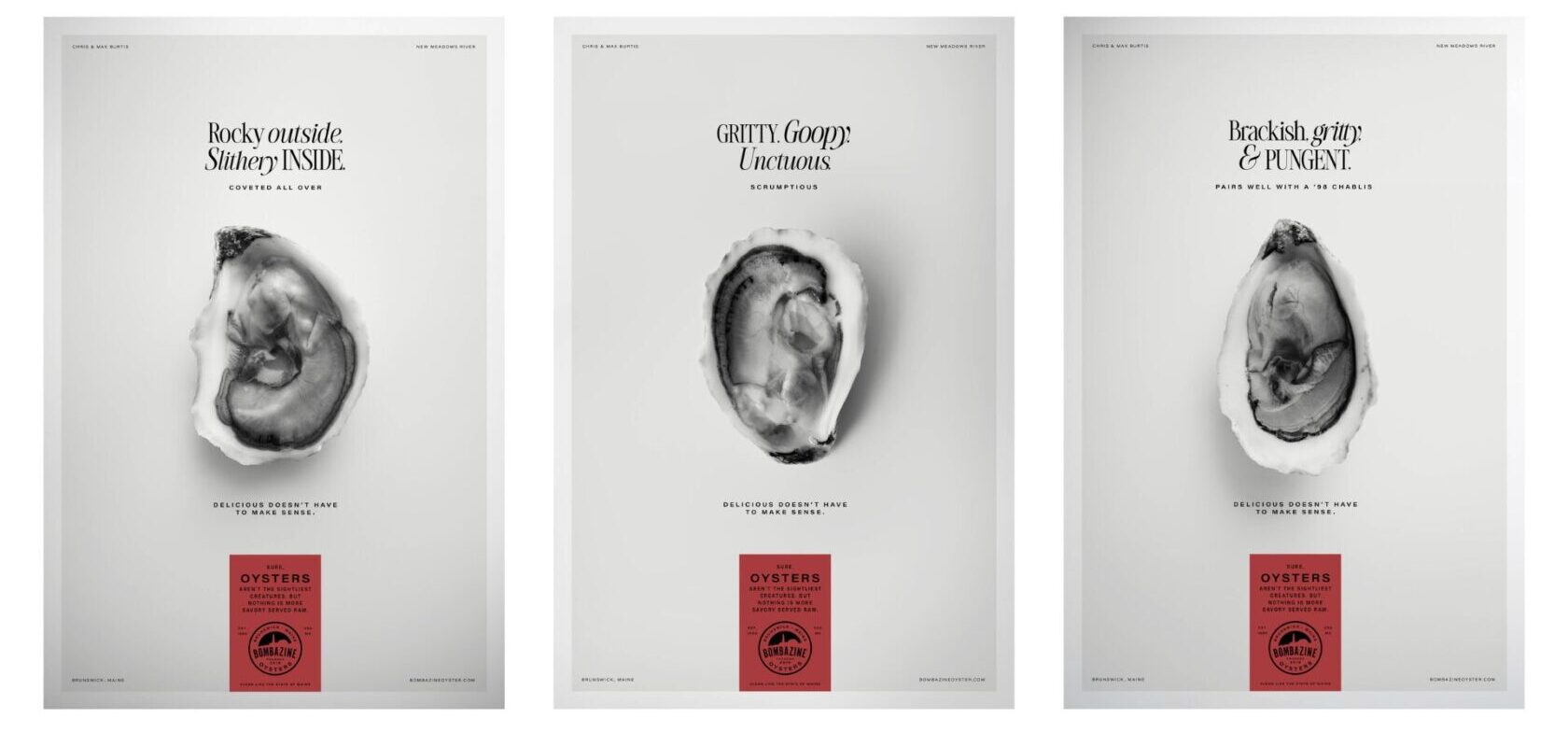
Connelly Partners was included in AdAge this week, announcing the acquisition of McCarthy Mambro Bertino, a creative agency that has worked with Subway, Sam Adams and Toyota. Financial terms were not disclosed. MMB will retain its brand within Connelly Partners.
Read more from AdAge.
AdAge: Agency News You Need to Know This Week
MediaPost: Connelly Partners Acquires MMB, Agency Retains Brand
Connelly Partners is enhancing its creative muscle by acquiring McCarthy Mambro Bertino (MMB), responsible for Sam Adams, Newell Rubbermaid, Toyota and Subway campaigns. The Boston-based agency also has offices in Dublin and Vancouver.
Financial terms were not disclosed.
MMB will retain its brand within CP, while utilizing the network’s services to aid larger clients. The MMB team will integrate across the CP network, much like previous acquisitions ZOO Digital and VRX Studios.
Steve Connelly, president, Connelly Partners, said: “The moves we are making and the talent we are bringing aboard are reflections of the commitment to relentless creativity and measurable accountability.”
Fred Bertino, MMB president/co-founder, retains his post, reporting to Connelly. “MMB and Connelly Partners have been successful rivals for two decades,” said Bertino. “Now we’ll amplify that with deeper strategic and performance chops and global reach.”
On the staff front, David Register, a creative lead at MMB, joins CP as executive creative director. His campaign work includes Fidelity’s “Keep Doing What You Love,” featuring Paul McCartney, and Progressive’s “Flo.” He reports to Alyssa Toro, Chief Creative Officer. Jen Hansen is now director of analytics and Jimmy Murphy becomes deputy managing director, Dublin. Sam Moorhouse and Mikey Fleming join as co-creative directors.
CP is currently working with Pollock Clinics and Yale New Haven Health. CP reports its health business has increased 65% YoY, fueled by new business and organic growth. The agency has also done creative for Gorton’s Seafood, Flair Airlines, Heineken’s Birra Moretti and Liberty Bank.
Read more here.
Campaign US: Movers & Shakers
Connelly Partners announced its acquisition of McCarthy Mambro Bertino in Campaign US this week.
Read more industry news here.
Building Accessibility Into Your Future
Enda Gallen, Senior UX/UI Designer
It’s More Than Just Compliance
Accessibility is no longer a “nice to have.” It’s a legal requirement, a business advantage, and most importantly, a way to ensure everyone can interact with your brand. As regulations like the European Accessibility Act (EAA) and Americans with Disabilities Act (ADA) continue to evolve, businesses that fall behind risk legal action, reputational damage, and lost revenue.
But accessibility doesn’t have to be overwhelming. By treating it as a structured, step-by-step process, your business can not only meet compliance standards but also create digital experiences that are better for all users.
At Connelly Partners, we use an end-to-end process to help organizations embed accessibility into their design, development, and long-term strategy. Here’s how it works.
Understand the Law
Accessibility law varies depending on where your organization operates and who your users are. In the EU, the EAA will require digital products and services to meet accessibility standards from 2025. In the US, the ADA and Section 508 already require compliance for many businesses and public services.
The challenge? Regulations are often written in dense, technical language. We translate them into clear, practical requirements that make sense for your business. You’ll know which rules apply, what deadlines you’re working toward, and what “good” looks like in practice.
This first step turns a confusing legal obligation into a manageable starting point.
Map an Accessibility Strategy
Once you know the rules, you need a plan. Accessibility isn’t a one-off project – it’s an ongoing commitment that touches design, development, content, and operations.
We work with businesses to map a tailored accessibility strategy, including:
- Priorities: Which fixes or updates will have the biggest impact fastest?
- Timelines: How to phase improvements around your release cycles and resources.
- Ownership: Who in your organization is responsible for what, from testing to content updates?
This roadmap ensures accessibility doesn’t slip between departments or stall after launch. Instead, it becomes an integrated part of how your digital team works.
Prepare an Accessibility Statement
Transparency builds trust. Most regulations require an Accessibility Statement published on your website or app. But beyond compliance, this statement is an opportunity to show your audience that you take accessibility seriously.
We help businesses draft clear, user-friendly statements that:
- Outline your accessibility goals and progress
- Share contact routes for users who need assistance
- Commit to ongoing improvements as your offerings develop
Done right, this statement signals accountability to regulators and empathy to your customers.
Complete an Accessibility Audit
An accessibility audit is the heart of the process. It tells you where you stand and what needs attention.
We conduct expert reviews against the WCAG 2.2 AA standards, combining:
- Automated testing tools to catch common code issues
- Manual reviews by specialists to identify usability barriers that tools can’t see
This audit produces a clear list of issues, categorised by severity and user impact. Think of it as your accessibility health check, giving you the data to take action.
Start Fixing Issues
Knowing the problems is only half the battle – you need solutions. Many organizations struggle here, because accessibility fixes aren’t always straightforward.
Our developers and designers work through a prioritised backlog, tackling the most critical barriers first.
We provide:
- Practical guidance on how to implement changes for your developers OR implementation of accessibility fixes by our own development team
- Reusable patterns and components in accessible design systems for consistency
- Comprehension QA and UAT with accessibility experts and reviews with accessible technology users
The result is not just quick fixes, but long-term improvements that prevent the same issues from happening again.
Monitor Compliance and Regular Reporting
Accessibility isn’t “done” once you’ve fixed your site. New content, features, and updates can reintroduce barriers. That’s why the final step is ongoing monitoring and reporting.
We can provide:
- Regular audits to check compliance as your site evolves
- Automated testing for continuous feedback
- Easy-to-read progress reports that keep all stakeholders informed
This monitoring protects you from slipping out of compliance and demonstrates your commitment to inclusivity year-round.
Why This Matters for Business
Following this process keeps you legally compliant – but the benefits go much further:
- Reach more customers: One in four people live with some kind of disability. Accessibility ensures you don’t shut out potential users.
- Improve user experience: Clearer navigation, stronger contrast, and better structure help everyone, not just those with disabilities.
- Strengthen your brand: Companies that prioritise inclusivity build trust and loyalty with their audiences.
- Future-proof your digital assets: Accessibility reduces technical debt by making your site more robust and adaptable to future devices and standards.
In other words: accessibility isn’t just the right thing to do – it’s good business.
Building Accessibility Into Your Future
The landscape of digital accessibility is shifting quickly. With the EAA now live and the ADA already active, businesses that act now will not only avoid fines but also gain a competitive edge.
At Connelly Partners, we work with organizations to help them understand where they stand, where they need to be, and how to get there – thoughtfully and effectively. Whether you’re starting with an audit or developing a long-term strategy, we’re here to support you at every step.
If you’re interested in learning more about how accessibility can become a natural part of how your business grows and connects, let’s talk.
From Borrowed Equity to Authentic Connection
Michelle Capasso, Partner & Chief Media Officer
Key Takeaways from the Brand Innovators Sports, Entertainment & Culture Summit
At the Brand Innovators Sports, Entertainment & Culture Summit in Boston, the focus was on the power of sports partnerships. One theme took center stage: in an era of fragmented attention, partnerships with dedicated sports franchises offer brands more than just borrowed equity, they offer a platform for authentic connection with fans.
As media leaders, we know live sports are one of the last strongholds of appointment viewing in traditional media, giving brands an incredible opportunity for real-time connection. An authentic connection with fans is the ultimate goal, regardless of scale.
A great example was MassMutual’s move to turn their logo into a functional pitch count for the in-stadium experience at Fenway Park. It’s a brilliant strategy that embodies the idea of approaching sports fans with authenticity and humility. Instead of demanding attention, the brand became a natural and additive part of the fan experience, creating a truly authentic connection.
At Connelly Partners, we believe emotion drives every transaction. Every brand, no matter the size, has the ability to build emotional equity. Whether you’re activating with a stadium takeover, with an influencer activation or across digital touchpoints, the goal is the same: to build brand equity by sparking the emotions that truly move people.
Because at the end of the day, it’s not about borrowing someone else’s thunder.
It’s about creating a spark of your own.
Why Accessible Design Is Good for Business
Enda Gallen, Senior UX/UI Designer
Turn Compliance into Competitive Edge
Digital accessibility is not just a legal requirement – it’s a powerful opportunity. With regulations like the European Accessibility Act (EAA) now in effect across the EU and the Americans with Disabilities Act (ADA) already firmly established in the US, businesses have a clear mandate to create accessible digital experiences. But beyond compliance, embracing accessibility means reaching broader audiences, improving user experience, and strengthening brand trust. At Connelly Partners, we work with organizations to ensure full compliance and turn this regulatory obligation into a competitive advantage. Here’s six ways how:
Better Products
Accessible design isn’t a niche, but is part of fundamentally good design. By requiring straightforward layouts, clear navigation, and inclusive content, it naturally elevates your entire user experience (UX). Whether it’s captions on videos or keyboard‑friendly navigation, these improvements benefit everyone – leading to superior, more intuitive digital products.
A Broader Market
There are over 87 million EU citizens and more than 1 in 4 Americans living with some kind of disability – plus millions more elderly or temporarily impaired users – all of whom benefit greatly from accessible design. Compliance with accessibility standards unlocks this large audience and lets them use your products or services without friction or barriers.
Enhanced Brand Reputation
Accessibility sends a clear message: we care. With the EAA now live and further developments to the ADA on the horizon, consumers will increasingly see accessibility compliance as a marker of trustworthiness and professionalism. An accessible experience signals leadership, competence, and social responsibility.
Lower Legal Risk
In the EU, new products and major updates must comply immediately, while existing offerings have until 28 June 2030 to fully align with the EAA, and Member States are already penalising serious usability lapses. Penalties vary per member state: Italy allows fines up to 5 % turnover; Spain fines up to €600,000 for serious breaches; Germany imposes up to €100,000 per non‑compliant product, Ireland holds company officers personally liable if offences occur with their consent or from neglect and penalties include prison sentences.
In the US, ADA liability extends beyond regulatory action. A booming number of lawsuits, often filed by so‑called “serial plaintiffs” and specialised law firms, target websites and digital services as “public accommodations.” These suits, often initiated by individuals and their attorneys seeking injunctive relief and legal fees, typically result in settlements ranging from $5,000 to $20,000, even for small businesses. However, cases against Target, MIT, Harvard, Netflix and others have cost from the hundreds of thousands to millions.
Ongoing compliance isn’t optional anymore, but essential.
Cost-Efficiency
Ensuring accessibility from the outset of the product lifecycle is far more cost‑effective than retrofitting or enduring enforcement under the EAA or ADA.
The cost of non-compliance can be severe, but achieving accessibility doesn’t have to be. Think of accessibility like insurance. You don’t wait for a problem before protecting yourself. Building accessibility in from the start not only shields your business from legal and financial risk, it’s also much more affordable than reacting after a complaint or lawsuit.
The actual cost depends on the size and complexity of your digital product, but thanks to improved tools and growing industry expertise, compliance is now more achievable than ever. When accessibility is treated as a core design principle, rather than an afterthought, new projects can avoid expensive retrofits entirely.
Early investment in your projects saves time, effort, and money.
Innovation Through Accessibility
Embracing accessibility often leads to breakthrough innovation. OXO’s Good Grips utensils, inspired by arthritis-friendly design, redefined kitchen tools for everyone through universal ergonomics. Microsoft’s Xbox Adaptive Controller transformed gaming by accommodating diverse physical abilities, setting a new standard in inclusive hardware. IKEA’s stylish BÄSTIS collection integrates accessible features without sacrificing design, proving function and form can coexist. Rare Beauty, founded by Selena Gomez, reimagined cosmetic packaging with easy-grip applicators and twist-off lids, supporting users with limited dexterity.
These brands demonstrate that designing with accessibility in mind not only expands usability but also inspires better, more thoughtful products for everyone.
Why Choose Connelly Partners
As a specialist agency, Connelly Partners offers full-service accessibility support:
Comprehensive accessibility audits aligned with the EAA and ADA: EN 301 549 and WCAG 2.2 AA
Development of accessible digital experiences (digital products, websites, apps)
User testing with assistive tools and participants
Certified accessibility experts
Full compliance documentation & monitoring
We know the accessibility landscape. We align not just to avoid penalties, but to amplify your brand.
Making Accessibility a Core Part of Your Business
Staying compliant with accessibility standards isn’t just about avoiding risk – it’s about doing what’s right for your users and your brand. From websites and digital services to products and contracts, both EU and U.S. regulations continue to evolve, and it’s important to stay ahead.
At Connelly Partners, we work with organizations to help them understand where they stand, where they need to be, and how to get there – thoughtfully and effectively. Whether you’re starting with an audit or developing a long-term strategy, we’re here to support you at every step.
If you’re interested in learning more about how accessibility can become a natural part of how your business grows and connects, let’s talk.
Influencer Marketing in Education
Gene Begin, Managing Director, CP Education
Colleges, universities, and education organizations have a world of opportunity leveraging their advocates and turning them into influencers.
Utilizing the loyalty loop of a consumer decision journey can be one of the most cost-effective marketing strategies in any organization, let alone education. Advocacy drives awareness and influence and while this can happen within a variety of channels, advocacy is most prominent within social media. Social sharing is the online adaptation of the most successful marketing strategy in the history of humankind – word of mouth.
Just think about how often you gather recommendations from your family, friends, colleagues and acquaintances, whether online or in person. That advocacy absolutely shapes your decision-making.
Educational organizations should be taking advantage of this with their built-in community of advocates – employees, current students, board members, alumni, and even admitted students. This network is full of individuals with influence in multiple industries and audience segments.
But in today’s creator economy, advocacy marketing for many organizations is not enough. Individuals within our networks have seen influencer marketing become part of the norm with their social feeds and they now understand how to take advantage of and monetize that sphere of influence. Even my pre-teens understand there are ways to monetize social content as they have seen their older cousin be successful in doing so in her career. Do not hesitate to budget and pay for advocacy and content creation. It should be an essential part of your integrated marketing strategy.
And remember, while our advocate networks in education are large and primed to be tapped into for influence, size doesn’t always matter when it comes to an individual’s network. Some of the most effective spheres of influence can be smaller, yet very committed and engaged. Community engagement really can be about the quality and not the quantity when it comes to activating a network.
Influencer marketing truly harnesses the power and the authenticity of the human voice to impact brand perception and brand engagement. But identifying your target audience and evaluating the influencer’s following as a match is crucial.
I recently moderated an influencer marketing panel at the eduWeb Summit in Portland, Maine. Below is a copy of that panel’s presentation, and if you want a partner on your influencer efforts, don’t hesitate to reach out. Our Influencer Marketing team helps activate the right influencers for your organization to build strategies that foster trust and leverage the strength of the human connection.
Clicks and Climate: How Digital Advertising Impacts the Carbon Conversation
Nick Maumus, Assistant Media Planner
Sustainability is a buzzword in every industry, and it will only become more prominent as the climate crisis continues to grow. But when “carbon emissions” is mentioned in conversation; we default to thinking about the energy sector, big oil companies, and that dreaded Honda Civic revving its engine every early morning. What we forget is the prevalent and material impact caused by the digital world, and more specifically, advertising and media.
Firstly, carbon emissions in digital advertising are very real and have a much more prevalent impact than most of us realize. For context; 1M impressions creates 1 metric ton of CO2e (One passenger on a round-trip flight from Boston to London), and Google serves about 30 billion on an average day!
Scope 1, 2, and 3: Categorizing Carbon Emissions
In terms of how we identify and categorize these carbon emissions; there is the Scope framework, which is divided into three categories.
- Scope 1 includes direct emissions from the business such as buildings, facilities, and company vehicles.
- Scope 2 is related to energy consumption primarily demanded from the power grid to fuel activities, included in but not limited to those covered in Scope 1. It also encompasses utilities and power sources produced by entities other than the one using the energy.
- Scope 3, which accounts for approximately 90% of carbon emissions, originates from a business’s supply chain.
When we think of this in the context of media, the supply chain is not necessarily raw materials or manufactured inputs as might be the case for a computer chip manufacturer. For brands and agencies, the supply chain is most evident in the programmatic marketplace, where each publisher has multiple bid requests for every ad slot, and buyers are bidding on it all.
Additionally, every transaction and exchange of data that occurs on the programmatic supply chain releases a variable amount of carbon emissions; the larger and less efficient the supply chain, the more carbon is emitted. Publishers often duplicate ad bids for the same slot on overlapping DSPs and direct partnerships, leading to unnecessary and wasted transactions.
Measuring Media Emissions
Media emission measurement partners, such as Scope3, have entered the space to analyze programmatic publishers and raise awareness of their environmental impact. They provide a comparative ranking of the publisher’s total carbon footprint, their programmatic supply chain, and how their footprint breaks out among ad selection; media distribution; and creative delivery.
Another valuable resource is a study conducted by Fifty-Five titled The Carbon Footprint of Media Campaigns. This public study examines the carbon emissions generated by a one-month mock omnichannel media campaign. The fascinating part of this study is how they were able to analyze the emissions from the four digital channels they chose to include. In their findings, they discovered that 323 Tons of CO2e were released over the course of one-month. However, if advertisers take sustainable digital advertising best practices into account, they can bring that total down on average 32% to 218T.
Sustainability and Advertising: A Win-Win Partnership
Every impact, whether large or small, makes a difference in the climate issue. It is important that we spread awareness and resources to educate ourselves, and our industry, on the ways we can each drive change. In the context of programmatic supply chains, MFA (Made for Advertising) sites and ad-cluttered platforms are much less environmentally friendly—and on top of that, advertisers typically avoid these sites anyway.
So, an incentive makes itself clear; a more efficient campaign is a cleaner campaign, and a cleaner campaign is a more effective campaign. All in all, understanding areas of improvement while maintaining the integrity of our campaigns can lead to bottom line improvements and notable environmental impacts. Next time you are in planning or see an innovative media placement, I invite you to explore the associated carbon journey and how you might be able to include sustainable digital advertising practices into your value chain.
Flair Airlines Launches Immersive Photography Exhibition in Vancouver
To celebrate its brand refresh, we partnered with Flair Airlines, transforming a vacant Gastown space into Flair/FWD, an immersive photography exhibition that brought the art and emotion of air travel to ground level. The two-week installation featured the work of National Geographic Explorer and photographer Mackenzie Calle.
Through her lens, the exhibit explored both the wonder of flight and the behind-the-scenes choreography of aviation, reflecting how Flair is charting a new course and disrupting the air travel space with their mission to provide affordable air travel that connects Canadians to the people and experiences they love.

Highlights included:
- Mackenzie Calle’s imagery offered a striking perspective on the art of air travel – capturing both the beauty of the journey and the behind-the-scenes moments that take passengers from departure to destination.
- A mix of photography reproduction, and print techniques, along with layered textures, lighting, and large-scale prints gave the space a larger-than-life experience
- A private kickoff event welcomed stakeholders, partners, and employees for an experience designed to toast the airline’s new trajectory.
- A public opening on April 12–13 invited Vancouverites to explore the installation before it hits the road, with stops planned in other Canadian cities where Flair has major hubs.
The activation was a fresh take on airline marketing and a signal that Flair isn’t just refreshing its look, but making a deeper shift in how the airline connects with its community.

“Flair FWD was designed to signal a new era for Flair—one defined by confidence, clarity, and momentum,” said Patrick Smith, Creative Director at Flair Airlines. “Using award-winning photographer Mackenzie Calle’s distinct and beautiful imagery, we captured the essence of a brand on the rise. This was a Flair-led creative vision, brought to life with the support of Connelly Partners and Wildfire Events, who helped execute and implement the initiative with precision and energy.”
Nadine Cole, Co-Managing Director, Connelly Partners West also commented on the project, sharing that “the most fulfilling work happens when clients are clear on their mission and brave enough to break the mold. That’s what we’ve found with Flair. We believe in what they’re building, and we’re proud to travel alongside them as partners on what we know is an important journey.”

What’s The Word (WTW) with Our Favorite Paid Social Platforms?
Grace Alimo, Paid Social Media Specialist
The world of social media is always changing. It is reshaping how we connect, how we share information, and how businesses engage with their audiences. These platforms are innovating faster than ever, driven by new ways users behave, technological advancements, and ever-intensifying competition for user attention (or “advertiser attention” depending on your angle). Keeping up with these endless platform changes isn’t just important; it’s absolutely vital to make sure your social media strategy remains modern, highly adaptable, and high-performing.
Here is how the recent updates on Meta, Reddit, and Snapchat will shake up how you advertise:
Meta Expands Ad Placements with Threads
Meta has officially launched Threads as a new ad placement for all global advertisers, released just three months after initial testing phases. This development enables advertisers to leverage Meta’s ecosystem more effectively, allowing them to seamlessly extend existing campaign creatives and target users directly in their Threads feeds. The strategic value here is multifaceted: it presents a prime opportunity to capture an audience that might be more active on Threads compared to other Meta properties, and potentially achieve more favorable CPMs as this new inventory matures and competition for placements develops.
While the integration is simple with a new placement section in Ads Manager, optimizing performance on Threads requires a new approach. Threads has a large and engaged user base of over 130 million monthly users, primarily consisting of young adults between 18 and 34, with a notable skew towards male users. This audience offers strong cross-platform potential, with a significant portion also being active on Facebook (70%) and Instagram (51%). Creative content must be adapted to authentically resonate within Threads’ predominantly text-based and conversation-focused environment.
Advertisers are observing that initial ad performance on Threads often aligns with upper-funnel objectives, such as reach and engagement. Advertisers can utilize Meta’s Advantage+ platform for automated optimization, with Threads now being a default inclusion for new campaigns. Advertisers who may be worried about Brand Safety and maintaining a manual approach may want to add this to their list of things to check on before launching new campaigns.
Reddit Rolls Out Smarter Optimization Tools
Reddit, a platform often recognized for its unique, community-driven audience and high user engagement, is enhancing its Ad Manager with the introduction of new automated optimization insights and an “Optimization Score.” These in-stream recommendations are designed to empower advertisers to maximize their ad spend and improve campaign performance. The system leverages systematic analysis of Reddit’s ad response data and content interactions, providing guidance directly within the advertiser’s dashboard.
A core component of this update is the “Optimization Score,” which assesses an account’s adherence to Reddit’s best practices. For accounts scoring below an 80-point threshold, the platform will proactively highlight specific areas for improvement, offering tailored tips to refine ad setups. This initiative not only aims to streamline the optimization process but also helps advertisers more effectively engage Reddit’s product-savvy audience, capitalizing on the platform’s growing role in user purchase decisions and recommendations.
Snapchat Bolsters Advertising with AI-Powered Updates
Snapchat is making changes in Artificial Intelligence to significantly improve its advertising capabilities. Key introductions include advanced AI-powered budgeting and bidding options that are designed to automate campaign optimization and enhance efficiency. These tools empower advertisers to set specific target costs-per-action, with Snap’s intelligent system then dynamically allocating spend to the top-performing ad sets within a campaign. This shift towards AI-driven optimization promises to streamline campaign management, reduce manual intervention, and improve overall performance outcomes using Snap’s deep understanding of user behavior and ad response.
Snapchat’s popular “Sponsored Snaps” are receiving important updates as well, including new call-to-action options, a transition to auction-based delivery to open up more direct engagement, and even collaborations with creator handles. This focus on AI integration underscores Snapchat’s commitment to providing advertisers with smarter, effective, and scalable solutions.
Collectively, these updates underscore a strong industry trend toward more integrated, AI-automated, and data-driven advertising solutions. Adapting your social media strategies to proactively leverage these new placements, optimization tools, and AI-powered capabilities will be essential for unlocking new performance opportunities and maintaining a competitive edge in the dynamically evolving social media landscape.